Equine Preventive Health Care in Southeast Memphis
Proactive, ongoing care is key to a horse’s long-term health and well-being. Regular checkups allow veterinarians to detect possible conditions early, and develop a personalized treatment plan that caters to each equine’s specific needs.
Our Southeast Memphis-based equine clinic specializes in the care of horses and is experienced in preventing a variety of common conditions in equine including infectious diseases, dental problems, hoof injuries, and more. Contact our offices today to schedule an appointment for your horse.

Why Choose Southwind Animal Hospital for Your Horse’s Preventive Care
Our team is highly experienced in care and disease prevention of equines and we are committed to taking every step necessary to ensure your animal receives the best care possible.
We understand that equine preventive care is not a one-size-fits-all solution. Our team of equine wellness specialists works to develop individualized care plans for each animal depending on several factors including breed, age, discipline, and living environment. These customized plans increase the odds of disease prevention by keeping each animal up to date on any required and recommended vaccines and other forms of preventive care.
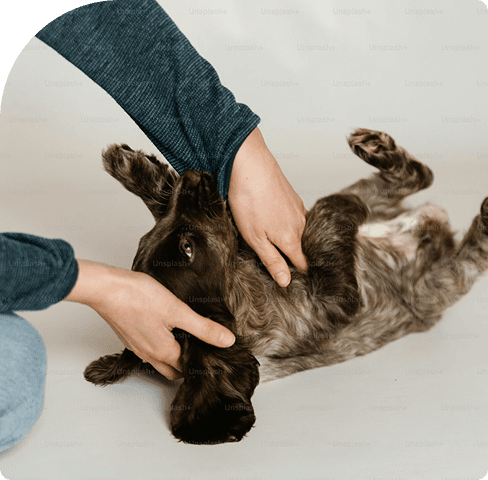
We realize that pet care, and chiropractic care especially, is not a one-size-fits-all solution. Our vets practice a personalized approach to ensure each pet receives the best possible care. Each animal’s unique anatomy, condition, and health history plays a key role in what types of treatment our team recommends and performs.
Preventive Services We Offer in Southeast Memphis
At Southwind Animal Hospital, we provide a variety of preventive care services for horses, such as:
Annual and biannual wellness exams
Vaccination protocols (core and risk-based)
Deworming programs and fecal egg counts
Infectious disease treatment
Dental care check-ups
Nutritional and weight management consultations
Hoof care and farriery recommendations
Diagnostic Techniques & Screening
Our dedicated team uses a variety of diagnostic methods to monitor a horse’s health status and catch any potential health issues early. These may include blood tests, fecal egg counts, urinalysis, or lameness evaluations.
Our team also may conduct other examinations using specialized digital equipment, such as X-rays, endoscopies, ultrasound imaging, or MRIs, allowing for a deeper examination of a horse’s overall health condition.

Common Equine Health Concerns Prevented by Routine Care
Routine checkups can ensure your equine is protected against a litany of common conditions that could cause long-term health issues. Veterinarians deliver vaccines, administer deworming protocols, perform routine dental and hoof care, and advise each horse owner on continued wellness.
Some of the most common conditions that are prevented by routine care include:
Colic
Abdominal pain caused by improper diet, dental care, or lack of deworming.
Parasite infections
Prevented by routine deworming and pasture management.
Dental disease
Routine dental floating can prevent sharp points, infections, or difficulty chewing.
Metabolic issues
Proper nutrition and exercise help prevent conditions like Equine Metabolic Syndrome (EMS) and Cushing’s Disease.
Laminitis
An inflammatory condition that affects a horse’s hooves, laminitis can be prevented by hoof care and managing weight and diet.
Lameness and hoof disorders
Proper hoof trimming and shoeing can lessen the risk of lameness and stop hoof disorders like thrush and white line disease.
Skin conditions
Vets can administer skin treatment and grooming to stop conditions like rain rot and sweet itch.
Your veterinarian will also be able to help diagnose symptoms of any potential condition. While it varies by condition, some common symptoms in horses include weight loss, behavioral changes, poor coat condition, lethargy, or lameness.
Treatment & Management Strategies for Overall Wellness
In addition to bringing in your horse for frequent veterinary visits and check-ups, there are a number of treatment and management strategies you can perform to ensure they remain as healthy as possible.
Regular hoof care, balanced diets, proper exercise routines, best husbandry practices, and a comfortable, well-maintained shelter will all play a key role in reducing the risk of your equine suffering from any serious health condition.
If you’re unsure about the best way to care for your horse, our team can work with you to develop an individualized care plan. Caring for equines is not a fully standarized practice, and our veterinary staff will adjust care for each animal depending on their age, performance level, regional disease risk, living conditions, and more. Talking with your veterinarian can help ensure you’re using the best wellness strategies for your horse.
Payment Options for Preventive Health at Southwind Animal Hospital
At Southwind Animal Hospital, we offer flexible financing and insurance options for Preventive Health. Sign up today with any of our payment plan partners or contact us for specific questions about insurance coverage. Read more about our financing options here.


Frequently Asked Questions About Equine Preventive Health Care
The vaccine schedule for horses depends on the type of vaccine being administered, and the horse’s age. Typically, core vaccines, such as EEE/WEE, West nile, and rabies, should be administered annually.
Following a new foal's neonatal exam, deworming protocols typically begin at the 2-3 month mark, while vaccines start at around 4-6 months of age, and the first full dental examination should happen before the foal’s first birthday.
Some things you can do outside of the vets office to check a horse’s conditions include weekly body condition scores (on a scale of 1-9), checking temperature (between 99 and 101.5 degrees Fahrenheit), monitoring heart rate (between 28-44 bpm), performing regular hoof care, and keeping an eye on water and food intake, behavioral changes, trouble with movement, and normal consistency in urine and manure.
Book an Appointment at Southwind Animal Hospital
New pets are always welcome at Southwind Animal Hospital. Our friendly veterinary staff looks forward to providing our neighbors in Citrus Heights and surrounding communities with the veterinary care they need.
Book Online